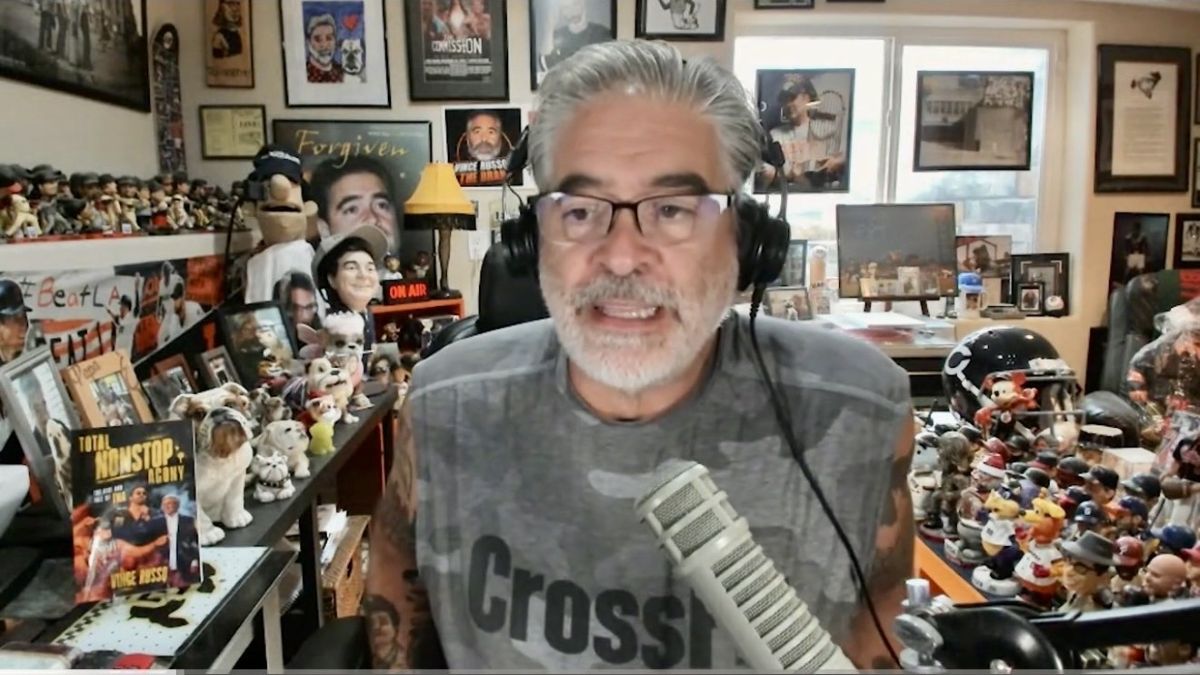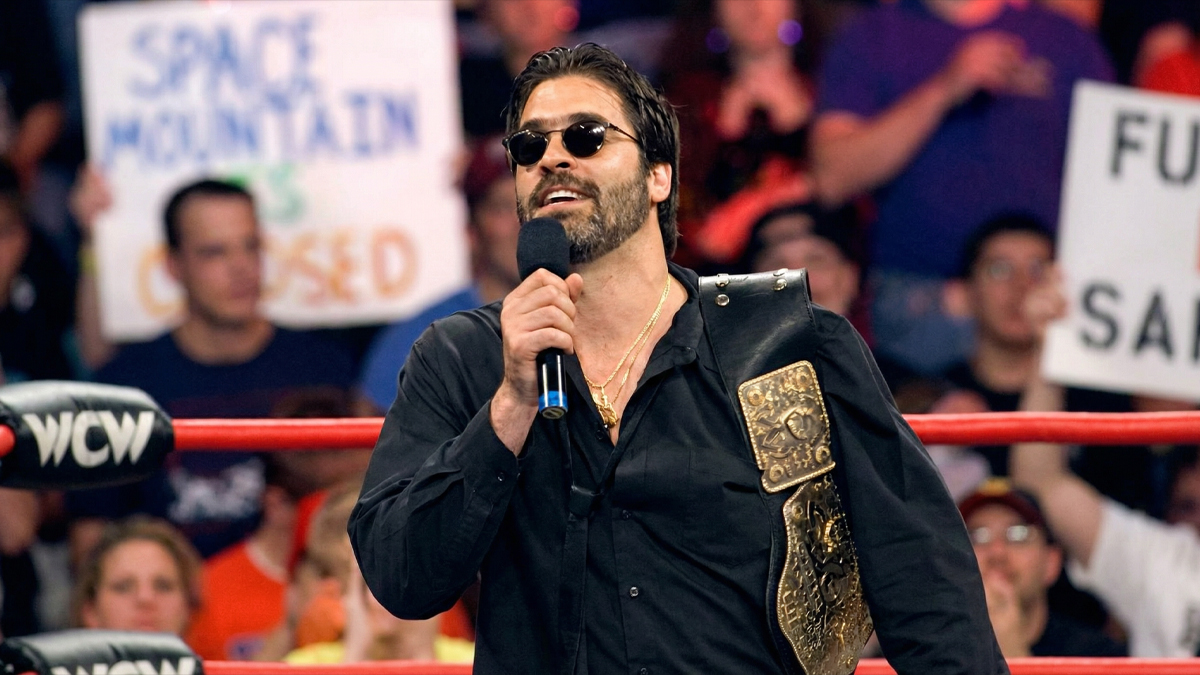
This bold statement isn’t without reason: it follows the same logic that ECW Press Editor-in-Chief Michael Holmes advised Vince Russo as he wrote his third book, Total Nonstop Agony: The Rise and Fall of TNA. Holmes’ message to Russo was to start off hot and with controversy to commit and invest the reader. Russo, meanwhile, chooses to open his book with the words. “Hogan, you big bald son-of-a-bitch!” However, this book encompasses far more than Russo’s opinions of Hulk Hogan and what he experienced during his final days in TNA. Russo has plenty to say about some of his most noted enemies in the wrestling business, including Paul Heyman, Eric Bischoff, Jim Cornette, and the “marks”.
Russo’s book doesn’t flow as smoothly as other wrestling books. Russo admits this is due to his declining cognitive health stemming from a history of concussions and what he believes is the inevitable onset of dementia, an illness that runs in his family that he is convinced he will eventually get. As such, individual chapters contain random tangential interruptions that he calls “Streams of Consciousness”. These deviations are somewhat related to the topic in some cases and less so in others. In one case, he discusses Bischoff lying about his role in TNA being limited to Hogan’s creative and brings up comments from Bret Hart critical of Bischoff based on his experiences in WCW. In response to these comments, Russo wonders aloud whether Bret, too, would be called a pathological liar. In another chapter talking about not having all of one’s eggs in one basket, Russo admits out of nowhere that he has a collection of 4,344 vinyl records and lists his top twenty-five.
Random breaks aside, while Russo goes to great lengths to explain why he isn’t a liar (and provides solid enough evidence to support this), this doesn’t change the fact that Russo has precious little positive to say about wrestling. For a man so proud of his Christian beliefs, the man once known as “Vic Venom” still has fangs. Though he tries to say something nice about his targets, Bischoff and the fans receive the strongest doses. He credits Bischoff’s business acumen but lambasts him for being the prototypical two-faced politician who allegedly chose to be a bully and make people’s lives worse to throw his weight around in a sea of sharks. He acknowledges that Hulk Hogan IS wrestling but describes Hogan’s ego as a major reason behind TNA’s downward spiral in the 2010s, especially with Bischoff batting for the Hulkster at every opportunity. He credits Jim Cornette as one of the greatest wordsmiths he has ever met (using the specific example “he’s deader than Kelsey’s Nuts”) but balances this by claiming Cornette the person and Cornette the character have merged into one and dismisses Cornette’s extensive name-calling as meaningless drivel from one would expect from a ten-year-old during recess.
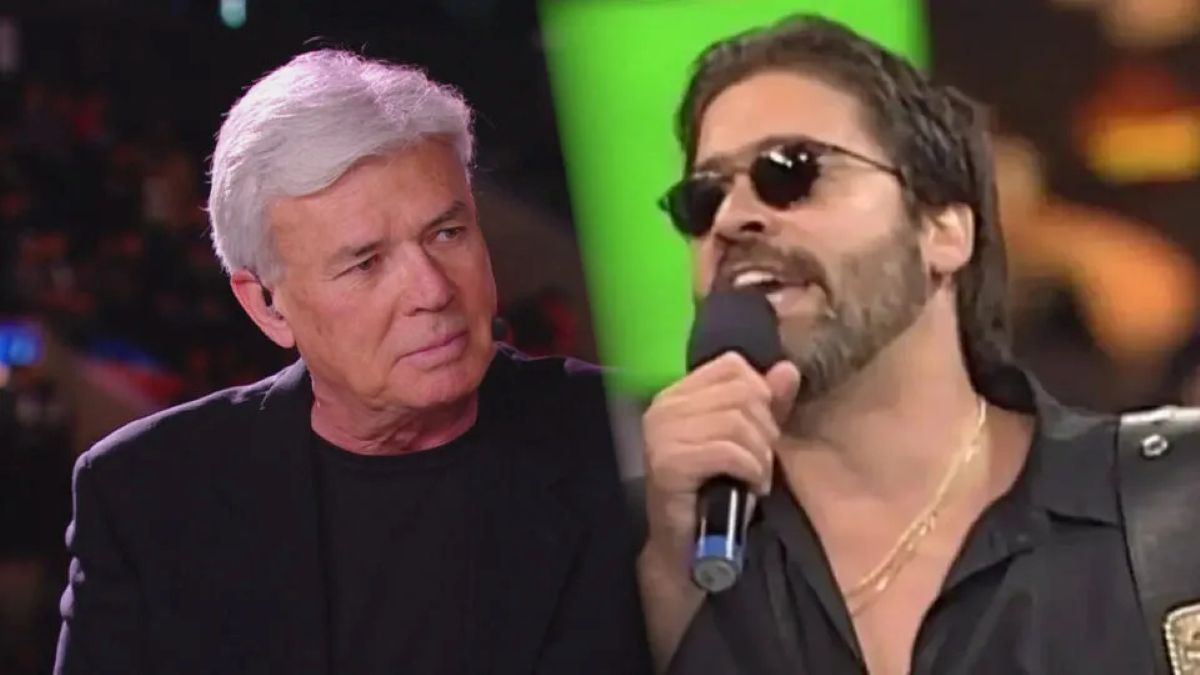
Then there’s his opinion of “the marks.”
Russo doesn’t hide his disdain for the present-day wrestling fan. Throughout the book, he makes his personal taste and philosophy clear: that he cares about the entertainment aspect first and foremost, that the wrestling business has changed for the worse, and that the hardcore fans are the main reason to blame for both WWE and AEW no longer being as good as they once were. In one instance, he recalls some comments Cornette made on his podcast about killing Russo. But it’s not Cornette that worries Russo; it’s his listeners, his “cult”. Russo despises what the fandom has become: a tribalistic band of perpetually online outcasts who, in his mind, would harm him or his family even if his immediate critics with a mouthpiece merely said so as a gimmick or as a “work”, as the Iron Sheik used to say.
However, Russo’s problems with people online aren’t limited to the wrestling fandom: they appeared in his post-TNA life as well when he attempted to enter the podcasting space. He recalls two unrelated instances of being targeted by coordinated cancel campaigns back when cancel culture was at its apex, one stemming from a wrestling podcaster trying to drum up a smear campaign based on a flimsy foundation and the other based on a long-time listener upset with Russo for his willingness to host both left- and right-leaning voices on one of his shows.
But going back to the title: Is Russo a pathological liar?
He explains why he isn’t. Doing so goes against his strongly held faith and multiple admittances of being a flawed human being like everyone else. It’s also contrary to his blood and upbringing: as an Italian-American “New Yawker” who never danced around the truth. He once offered to debate Eric Bischoff live during Ric Flair’s Last Hurrah Weekend, only for Bischoff to refuse. Furthermore, he openly admits to his creative failures (in TNA, he specifically highlights Abyss’s Magic Ring, AJ Styles bleaching his hair as Ric Flair Jr., and Samoa Joe getting kidnapped as his most noted blunders). And yet in each of these cases, Russo doesn’t fully claim it as 100% his creation: The Abyss story he attributes to Hogan, the AJ one as a rib from both Hogan and Bischoff, and the Joe storyline as a Bischoff idea with the payoff being bringing in Jimmy “Superfly” Snuka.
Furthermore, while Russo doesn’t appear to be lying 100% of the time as his copy/pasted Wikipedia definition implies, he is guilty of omission from time to time. In one instance, Russo criticizes Cornette for attacking Kevin Dunn’s overbite during a creative meeting. However, Russo paints this as an isolated incident and omits context, both immediate (Dunn, according to Cornette, saying to him in an insulting tone “Cornette, I find you tiresome” in response to Cornette’s legitimate demand for answers to a creative decision on how to use recent arrival Del “Patriot” Wilkes), and longer-term (Dunn’s alleged perpetual disdain for Southern Americans and “rasslin’” in general). There is also one passage that is simply too hard to believe:
“Myself, JR, Kevin Dunn, and every other top executive all had roles,” Russo writes. “You got paid to do one specific job and you never floated over to others. JR never crossed the line into creative, and I rarely, unless contacted by a talent, ever stuck my nose in talent relations. The same with Kevin Dunn over on the TV side, Kevin never got involved in the creative process, regardless of what the dirt sheets have reported.”
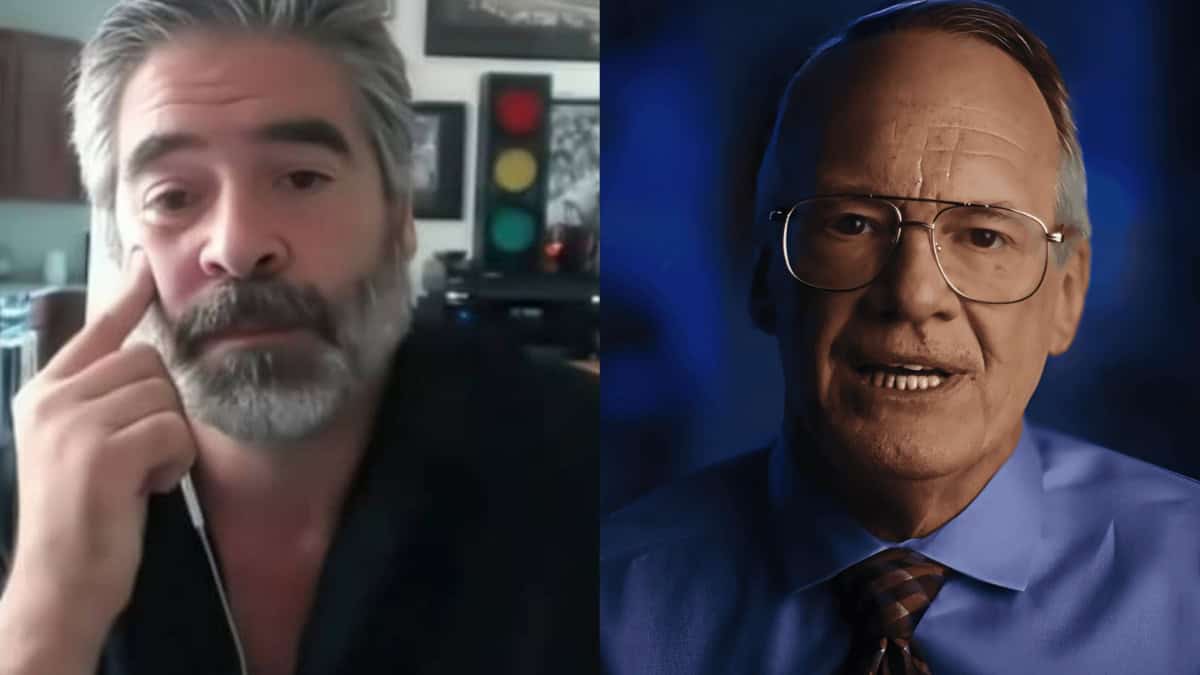
When it comes to the Hogan/Bischoff Era of TNA, Russo paints it as a rehash of late-stage WCW, with Hogan at the top of the priority list, above even the executives at the broadcasting station. With Hogan and Bischoff having Dixie Carter’s ear, Russo and the other writers aren’t able to properly make any creative decisions without Hogan’s or Bischoff’s input, even if the topic doesn’t relate to either one of them. Though Russo says a few nice things about Dixie, especially her willingness to be a character, he strongly believes she was too naïve for such a cutthroat business and fell victim to the predatory deceit he had experienced for decades.
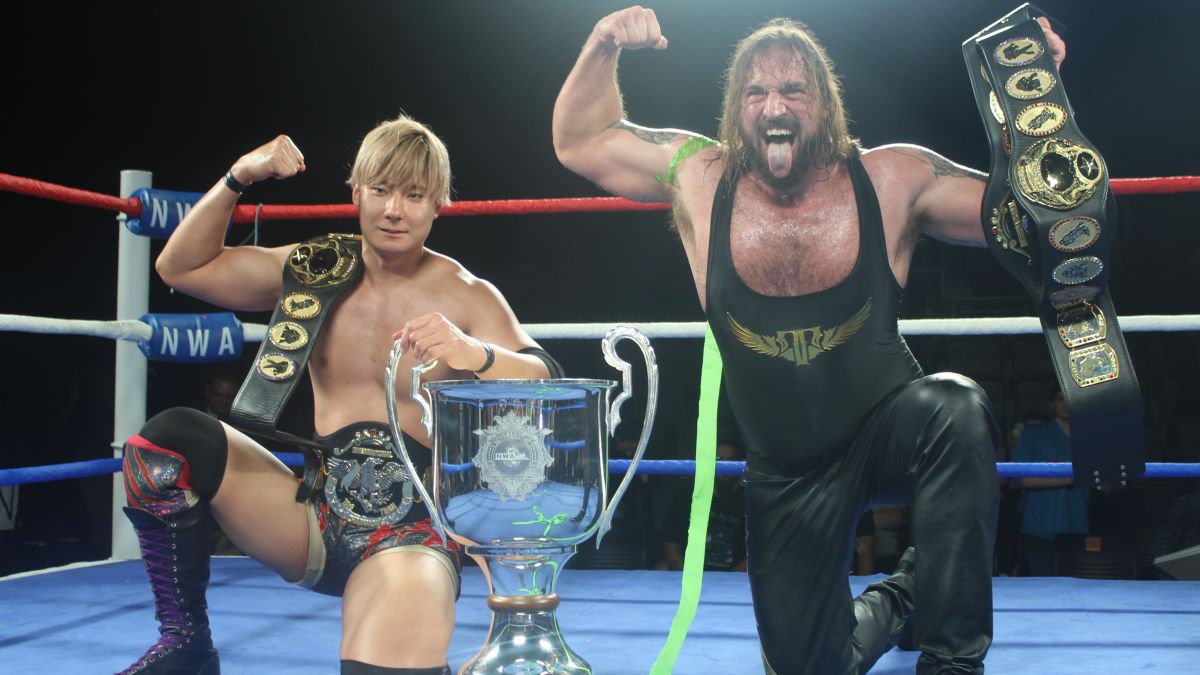
Because such a big chunk of his life has been influenced by liars, politicians, and backstabbers, there are few people who get nothing but praise. One is Mickie James, whom he calls the sweetest person in wrestling, and her husband, Nick Aldis (whom he jokingly refers to as “Mr. Mickie James”), for her willingness to put family above business when Russo learned his mother was dying. Another is “Bernie,” an otherwise unnamed Universal Studios employee who helped Russo navigate the complex to help him wrangle whatever he needed for TNA events. There’s also Steve “Sting” Borden, whom Russo calls the most consummate professional. So much so that, when Sting uncharacteristically misses a show due to a family issue and Bischoff lobbies to have him fired, Russo fights tooth-and-nail to keep his job. In the end, Sting isn’t fired, but this interaction reinforces Russo’s utter disdain for Eric Bischoff above everyone else.
The second half of Russo’s book covers more “normal” topics as Russo struggles to find a new home and pivot to another line of work, one unrelated to wrestling. These struggles include opening and closing a pretzel stand, dealing with Chinese hackers stealing financial data from one of his early websites, and the tentacles of wrestling reaching out to pull him back in. Try as he might, Russo cannot leave pro wrestling behind, especially since it becomes a way for him to make money as a subject of ridicule by way of his later podcasts. Time and again, Russo reinforces his loathing of the dedicated wrestling fan and goes so far as to include a list of definitions that make up a wrestling mark. While some of these attributes stem from his personal preference for entertainment, live-in-the-moment formatting, and a booking philosophy that puts on-the-spot adaptation ahead of planning six months out, others are more observable. Russo specifically highlights the tribalism of the modern wrestling landscape, fans making excuses when “their” company’s ratings go down, and the idea that pro wrestling could be the most important thing in anyone’s life. In other words, Russo wants pro wrestling to become casual again, so passersby can enjoy it as they once did during its heyday. Yet Russo strongly believes that the present-day audience gatekeeps wrestling so fervorously that both WWE and AEW have little choice but to cater to that hardcore remnant. The only difference between them, in Russo’s mind, is that AEW has done so willingly while WWE has followed suit reluctantly.
So after all that’s said and done, it wouldn’t be accurate to call Vince Russo a pathological liar since it’s hard to believe that every single word that leaves his mouth is, indeed, a lie. What’s more likely is that Russo simply hates what wrestling has become and despises the people that it attracts, between the ropes, behind the scenes, in the seats, and on the internet.
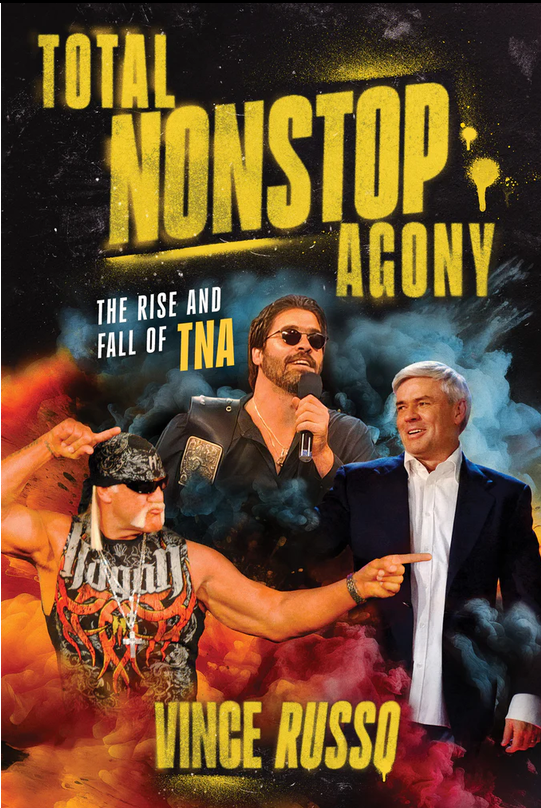
Total Nonstop Agony comes out Tuesday, July 14, 2026, and can be purchased here from ECW Press’s website.
You can personalise your Google settings to see more stories from slamwrestling.net when you search for wrestling news.
Google’s Preferred Sources feature lets you choose the websites you trust most. Once added, Google is more likely to show SLAM in Top Stories and the “from your sources” section.
- Click this link to take you directly to Google’s “Source preferences” page.
- Sign into your Google account.
- Search for slamwrestling.net.
- Tick the box next to Slam Wrestling.
Adding SLAM as a Preferred Source helps you see more of our news, features, and exclusive coverage in Google search.