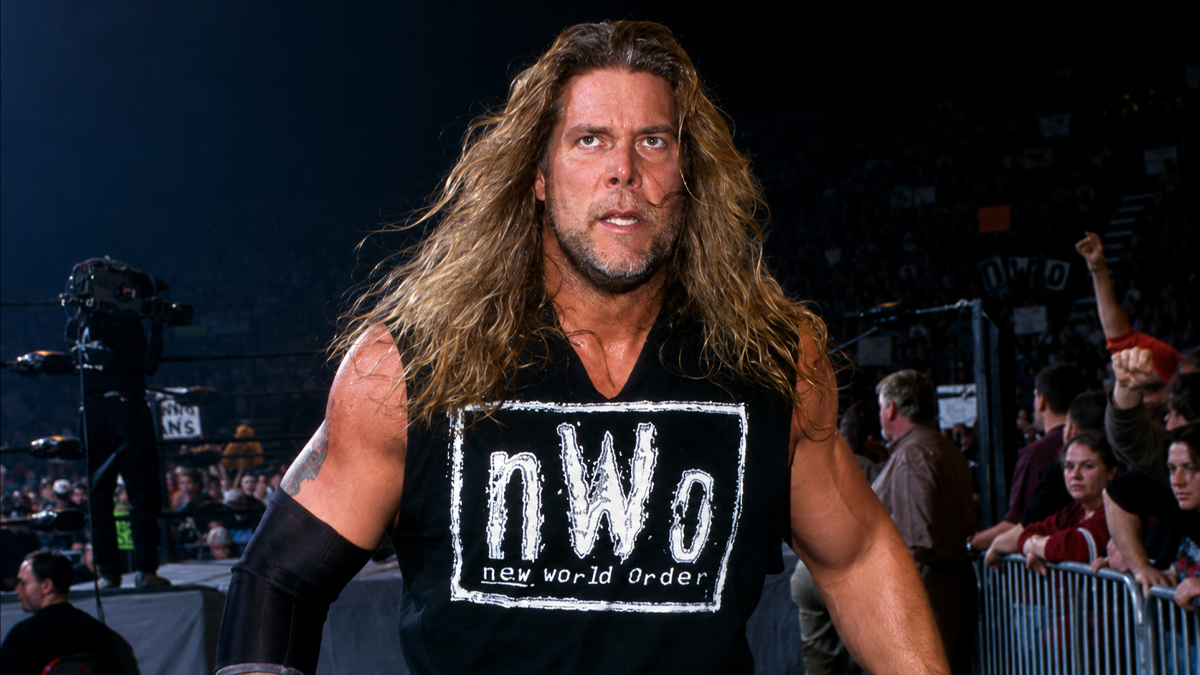
Kevin Nash has shared a little-known story from his early days in WCW, revealing that wrestlers briefly received financial bonuses for passing drug tests during one period in 1992.
Speaking on episode 200 of the Kliq This podcast, Kevin Nash discussed wrestling’s past drug-testing policies while speaking with Sean Oliver. During the conversation, Oliver asked whether WCW tested talent during Nash’s famous nWo run in the late 1990s.
“There was no pi*s test,” Nash said regarding that era. “But there was a pi*s test at WCW when I broke in.”
Nash then revealed what he described as a little-known incentive system introduced during Kip Frey’s short time running WCW in 1992.
“It became a situation where, I think Kip Frey was in charge, and if you passed the pi*s test, you got like a 10 per cent bonus or something like that,” Nash explained.
Oliver admitted he had never previously heard about the bonus structure, prompting Nash to break down how much money talent could earn from it.
“So if you were making $156,000 a year, you got 15 grand to be clean,” Nash said. “So I didn’t take much.”
K. Allen “Kip” Frey briefly served as WCW’s Executive Vice President from January to May 1992. Frey became known for experimenting with several backstage policies during his short tenure, including reportedly rewarding wrestlers financially for producing the best matches at events, before he was eventually replaced by Bill Watts.
Kevin Nash originally worked for WCW between 1990 and 1993 under gimmicks including Oz and Vinnie Vegas before leaving for WWE, where he became Diesel. He later returned to WCW in 1996 alongside Scott Hall to help launch the nWo storyline.
Kevin Nash Also Spoke About WWE’s Drug Testing Policy
The discussion later shifted toward WWE’s own testing procedures during Kevin Nash’s Diesel run in the mid-1990s. Nash claimed the company frequently conducted testing during events in Hershey, Pennsylvania.
“We do Philly in the afternoon, then we do Hershey that night,” Nash said. “Hershey was always the place they tested us.”
According to Nash, WWE believed that the travel schedule between shows increased the likelihood that talent would fail tests.
“Because it was a double shot. So if they didn’t get you that day, they figured they’d smoke on the way to Hershey,” Nash said. “Like, no, we won’t.”
WWE introduced a more formal drug-testing programme in 1992 following the Dr George Zahorian steroid trial, which brought major mainstream attention to the wrestling industry and figures including Hulk Hogan and Vince McMahon. Random testing reportedly continued until 1996, when it was replaced by WWE’s Wellness Policy in 2006 following the death of Eddie Guerrero.