Editor’s Note: As Slam! Wrestling is now incorporating Mixed Martial Arts into its annals, so we realized we needed to be experts in the subject to speak eloquently on the sport. In short, our focus needed to be “bulletproof” in this Catch Corner.
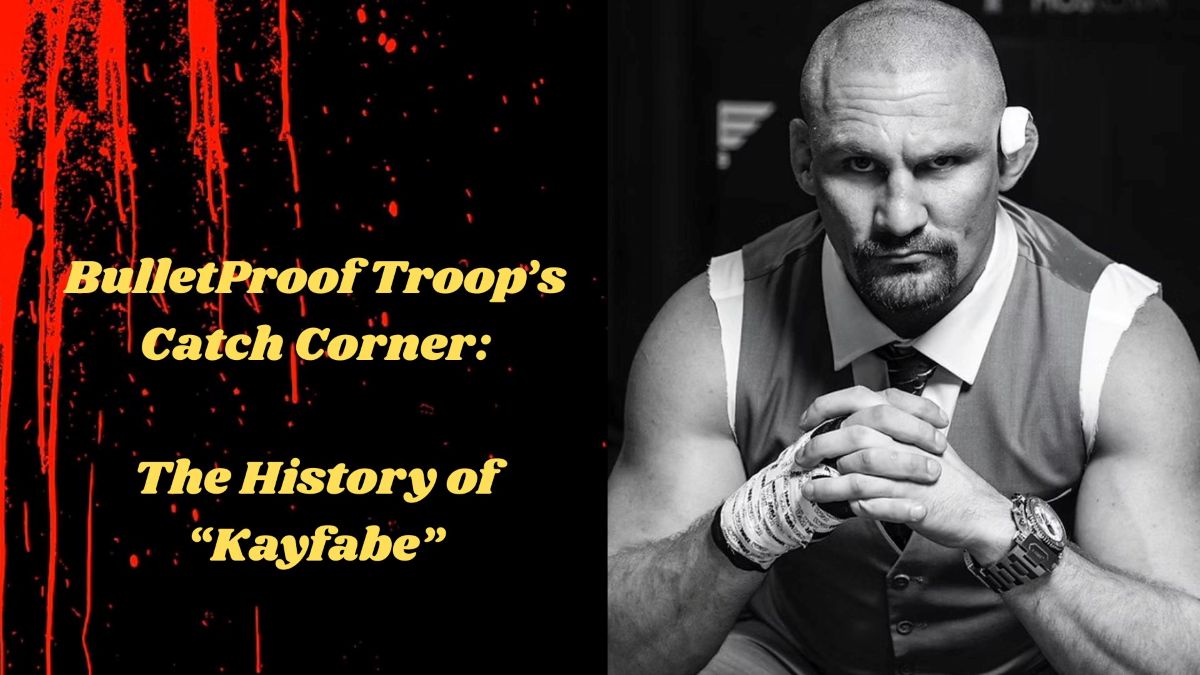
Enter Blake “Bulletproof” Troop. He is no stranger to our website, as we have featured him on multiple occasions over the years. He is an MMA fighter with Lights Out XF and is currently affiliated with Booker T’s “Reality of Wrestling” promotion.
We approached him about how the two forms of unarmed combat are connected, and he gave us the first of many columns to follow on the subject.
How Competitive ‘Catch Wrestling Became’ Professional Wrestling
When you look at professional wrestling today and compare it to combat sports, they seem like two completely different worlds. One is built around characters, storylines, and spectacle. The other is built around competition, rankings, and successful outcomes. One is controlled. The other is not.
But if you go back far enough, that separation disappears. In fact, they were once the exact same thing.
Professional wrestling did not begin as entertainment. It came out of real fighting, out of a time when competition meant physically imposing your will on another person and forcing an outcome. There were no scripts, no planned finishes, and no safety net. There was only the contest. Two people stepping in, grabbing hold, and finding out who could control the other, who could break the other down, and who could make the other give in.
At the center of that world was catch-as-catch-can wrestling. The phrase itself explains the entire philosophy. “Catch-as-catch-can” means to catch a person however you can. Anything works. Nothing is off limits. It does not have to be pretty. It does not have to be technical. If you can catch them, then catch them. Over time, the name was shortened to catch wrestling, but the mindset never changed.
This was a system built on effectiveness and pain compliance. Wrestlers were not just trying to outmaneuver each other; they were trying to make the other person uncomfortable enough, hurt enough, and controlled enough that they had no choice but to give up or get pinned. Pain was not a byproduct. It was a tool. It was used to force movement, to break posture, to create openings, and ultimately to impose one person’s will over the other.
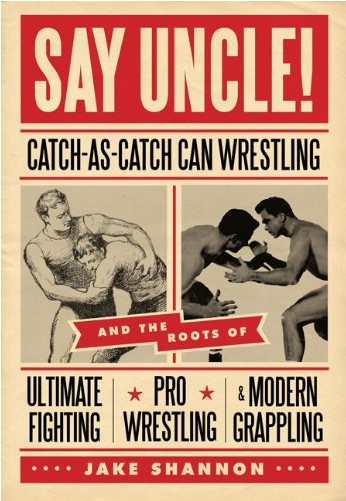
That kind of wrestling did not live inside a formal structure at first. It lived in everyday life. Men working in factories, mines, and labor jobs would still test each other physically. Wrestling was how they did it. It was common. It was understood and respected. You did not need a promotion or a platform to wrestle. You just needed another person willing to go.
As that culture grew, it eventually moved into a setting where money became involved, and that is where the traveling carnivals come into play. These shows moved from town to town offering entertainment, and one of their most reliable attractions was the wrestling challenge. Step in with the house wrestler, last a set amount of time, or beat him, and you win money.
Real money.
That alone ensured that what was happening in the ring had to be taken seriously.
Because if someone from the crowd could walk in and win, it would not just cost the wrestler; it would damage the credibility of the entire show. The next town would not believe it. The draw would weaken. The business would suffer.
At first, the solution was simple. Put someone in the ring who could handle anyone who stepped in front of them. But as promoters became more business-minded and started thinking about growth, consistency, and repeatability, a different issue became impossible to ignore.
Real fights do not cooperate with business.
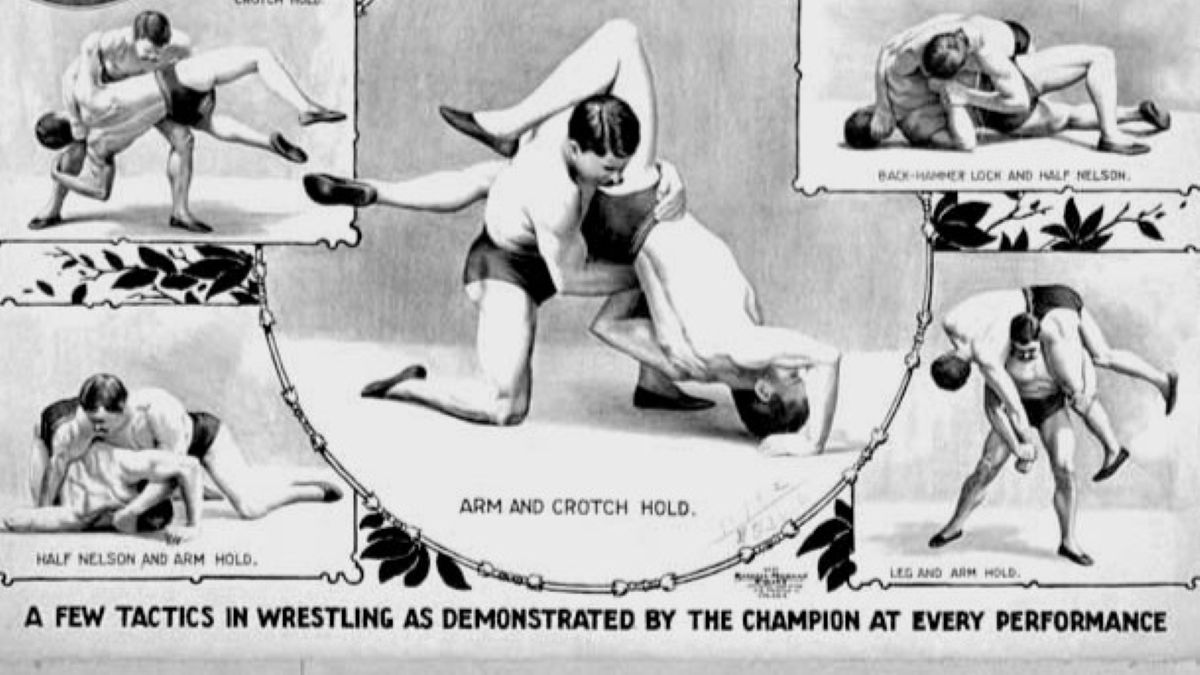
They are unpredictable. They do not follow a clean timeline. A match might end too quickly, or it might drag on longer than the audience has patience for. The wrong person can win at the wrong time, and when that happens, it disrupts momentum, damages star power, and makes it harder to build something people want to keep coming back to.
So the approach began to evolve.
Promoters started controlling outcomes. Matches were planned to ensure the right person won, the match lasted the right amount of time, and the audience got the experience they were paying for. This overall business did not just flip a switch and change overnight; there was a gradual shift toward structure and consistency, but this was the birth of kayfabe.
Kayfabe became the agreement that what the audience was watching was real, even when it was not. It was protected by wrestlers and promoters because it had to be. The illusion became the product, and maintaining it became essential to the business’s success.
But even as matches became worked and outcomes became controlled, there was a problem that could not be ignored. Not everyone in that ring could actually compete at the same level. And no matter how controlled things were, there was always the chance something could go wrong. Someone could go off script. Someone from the outside could step in and test the system.
That is where hookers and shooters came in.
 Hookers were the enforcers. These were the guys you sent in when you needed to handle a situation for real. If someone stepped in from the crowd thinking it was all for show, a hooker would grab them, put them in a level of pain they were not prepared for, and crush them.
Fast. Violently. Decisively.
They would make that person believe, and make everyone watching believe, that this was real, because in that moment, it absolutely was.
Shooters (a term that became more common later) were wrestlers with legitimate combat ability. They were known for being able to go if things ever crossed that line. While the role of the hooker was enforcement, the shooter became the label for anyone in the business who had real, transferable fighting skills.
This system allowed promoters to build stars who were not necessarily the toughest people in the room, because there was always someone there who could handle that reality if it ever surfaced. It was controlled on the surface, backed by real capability underneath.
That transition created professional wrestling.
Catch wrestling began as a raw form of competition embedded in everyday life. It moved into the carnival circuit, where money and reputation raised the stakes. The business evolved, outcomes became controlled, and kayfabe gave structure to the illusion. Over time, that system expanded further, incorporating characters, storylines, and spectacle, growing into what we now recognize as modern professional wrestling.
But none of it exists without that original foundation.
Professional wrestling did not come from performance.
It came from competition.
And the term still used today says it best. A shooter is someone who can actually go. Someone who carries that original skill set forward. That term only exists because there was a time when every wrestler had to be that person.
That is the birth of kayfabe.
And that is the real origin of professional wrestling.
You can read more about Blake “Bulletproof” Troop and contact him here.
You can personalise your Google settings to see more stories from slamwrestling.net when you search for wrestling news.
Google’s Preferred Sources feature lets you choose the websites you trust most. Once added, Google is more likely to show SLAM in Top Stories and the “from your sources” section.
- Click this link to take you directly to Google’s “Source preferences” page.
- Sign into your Google account.
- Search for slamwrestling.net.
- Tick the box next to Slam Wrestling.
Adding SLAM as a Preferred Source helps you see more of our news, features, and exclusive coverage in Google search.