“Stone Cold” Steve Austin’s controversial heel turn in 2001 remains one of the most debated creative decisions in WWE history, and one WWE Hall of Famer has revealed they strongly opposed it at the time.
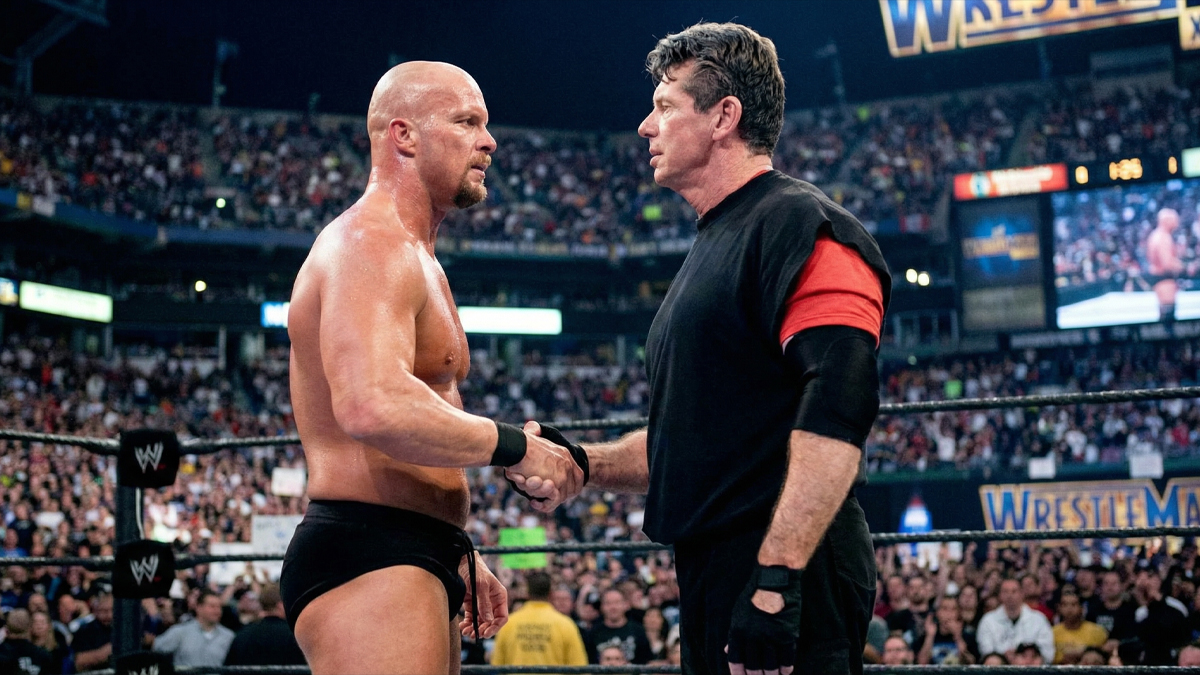
The moment came at WrestleMania 17, when Steve Austin aligned himself with Vince McMahon to defeat The Rock and regain the WWE Championship. While intended as a shocking twist, the move was widely rejected by fans and has since been cited by many as a key turning point in the decline of WWE’s Attitude Era momentum. Austin himself has repeatedly admitted he regrets the decision, calling it one of the biggest mistakes of his career.
Jim Ross, who was working as WWE’s head of talent relations and was also one of Austin’s closest friends in the business, had a front row seat both on screen and behind the scenes. Speaking on an episode of Grilling JR, Ross said he was firmly against the heel turn and actively tried to talk multiple people out of it.
“I thought it was a bad fit,” Ross said. “I thought it was bad creative. I tried to talk to everybody who would listen out of doing it.”
Ross explained that he believes Austin shared those doubts even at the time, adding that the fanbase would not have revolted had WWE kept Austin as a babyface.
“I think Steve probably, like you said, in his own words, if he had to do it all over again, he wouldn’t have done it,” Ross said. “And that would’ve been fine. Nobody would’ve protested. Rock would not have said s**t.”
The failed heel turn, combined with the poorly received WCW Invasion later that year, is often pointed to as the moment WWE’s boom period began to cool. More than two decades later, Ross’s comments reinforce just how divisive the decision was, even among those closest to Austin at the height of his superstardom.
When Did Steve Austin Turn Face Again After His WrestleMania 17 Heel Turn?
Steve Austin began transitioning back into a babyface role in late 2001, only months after his heel turn at WrestleMania 17. The shift came gradually rather than through a single defining moment, as fan reactions made it increasingly clear that audiences preferred Austin as a rebellious anti-hero rather than a corporate-aligned villain.
By early 2002, Austin was firmly positioned as a fan favourite again following his return from injury, resuming feuds against authority figures and top heels that played to his established strengths. The quick reversal underscored just how difficult it was to keep Austin as a heel at the height of his popularity and why the WrestleMania 17 turn is still viewed as a creative misstep more than two decades later.