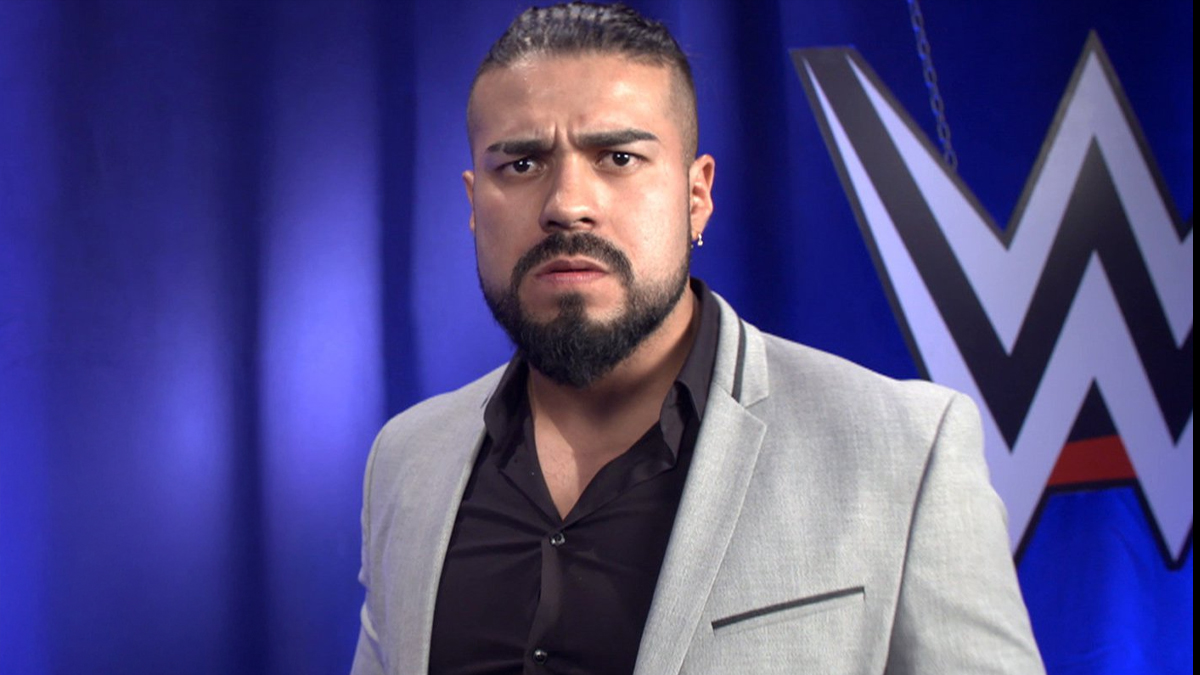
A former WWE star has spoken about how Andrade got in contact with them over his ongoing legal dispute surrounding his non-compete clause in his WWE contract.
Ex-WWE star David Otunga spoke with TMZ Sports Inside The Ring about various topics, including his life as a pro wrestler and a lawyer, what his time in WWE’s backstage was like, and he also discussed the ongoing controversy surrounding Andrade El Idolo and his non-compete clause that supposedly blocked him from appearing on AEW, despite making his re-debut on the October 1 episode of Dynamite.
Otunga spoke about how he’s already spoken about Andrade’s ongoing legal issues with WWE and the non-compete clause in his contract, and said that he reached out to Otunga and that they spoke about the situation privately, but he couldn’t share any details of their conversation due to him being a licenced lawyer and he is unable to speak publicly about a someone he could potentially represent. Otunga said:
“He reached out, and we spoke. I can’t really get into it more than that, but I’m just happy that the videos I’m putting out are actually helping people. The reason I’m not saying more is that I am a licensed lawyer. I don’t know where our relationship is going, if there’s a business relationship or representation-wise or not.”
The videos Otunga is talking about are on his YouTube channel, where he talked about Andrade’s situation and his one-year non-compete clause, which Otunga believes that if this were challenged in court, the contract would be ruled invalid due to the contract not being equal on both sides.
When Was Andrade Released By WWE?
It was reported on September 13 that Andrade was released by WWE due to “numerous wellness policy violations” within the year. It has not been reported what these wellness policy violations entail, but the policy covers various health and safety issues, such as substance misuse, cardiovascular monitoring, concussion management, and also requires talent to undergo an annual physical evaluation.
The wellness policy testing protocol requires talent to undergo at least four random tests per year to make sure they are complying with the policy, and if a performer is found to be in violation, they at first receive a 30-day suspension without pay, and when reinstated, must be tested at least 12 times over the next year, the second strike is a 60-day suspension without pay, and the final strike results in the performers contract being immediately terminated.