You can personalise your Google settings to see more stories from slamwrestling.net when you search for wrestling news.
Google’s Preferred Sources feature lets you choose the websites you trust most. Once added, Google is more likely to show SLAM in Top Stories and the “from your sources” section.
- Click this link to take you directly to Google’s “Source preferences” page.
- Sign into your Google account.
- Search for slamwrestling.net.
- Tick the box next to Slam Wrestling.
Adding SLAM as a Preferred Source helps you see more of our news, features, and exclusive coverage in Google search.
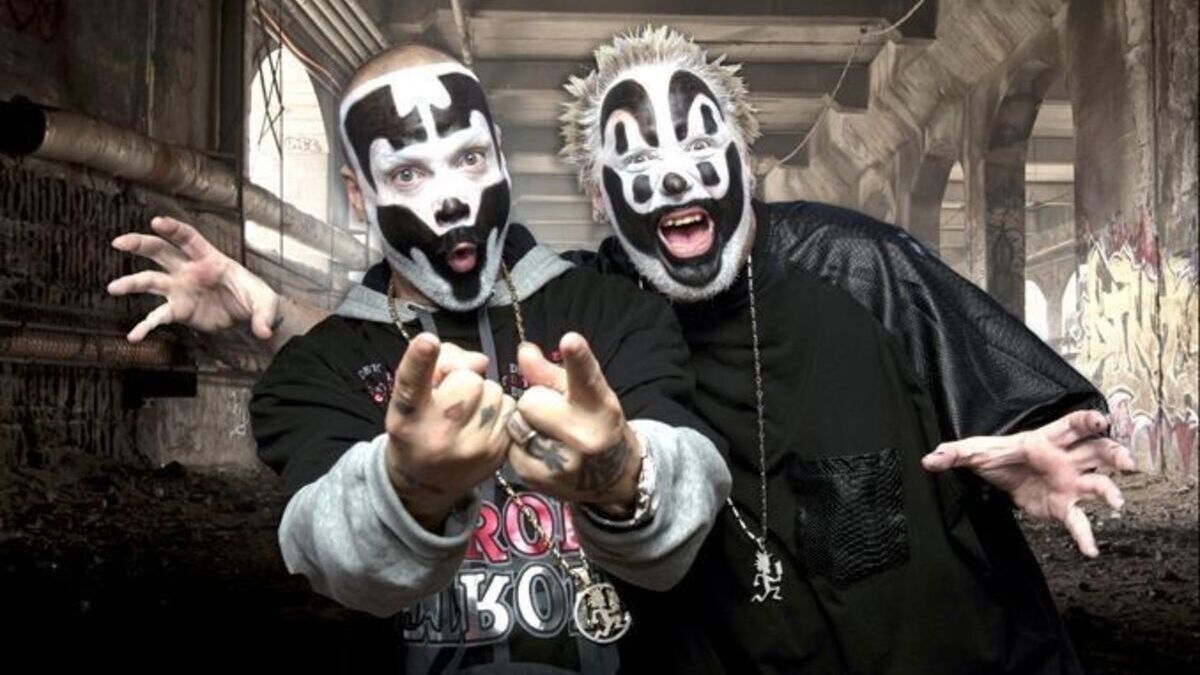
To understand JCW, you have to look past the greasepaint and Faygo. What started as a joke between two rappers has evolved into a 25-year-old survivor of the independent scene, a promotion that has outlasted WCW, ECW, and dozens of high-budget imitators.
Here is the history of the “Wildest Show on Earth.”
1. The Roots: From “Strangle-Mania” to Reality (1996–1999)
In 1996, the Insane Clown Posse (Violent J and Shaggy 2 Dope) released a VHS tape called ICP’s Strangle-Mania. It was essentially a “mystery science theater” take on Japanese deathmatches, bloody, high-octane footage overdubbed with their own hilarious, foul-mouthed commentary.
The tape was a massive underground success. Realizing their fanbase (the Juggalos) had a voracious appetite for wrestling, ICP, who were actually trained wrestlers themselves, decided to stop just commenting on the action and start booking it.
2. The Birth of “Champions–t” (1999–2006)
On December 19, 1999, Juggalo Championshit Wrestling officially launched at St. Andrew’s Hall in Detroit. The name was a tongue-in-cheek nod to their “low-brow” reputation.
Early Roster: It was a surreal mix of legends (The Iron Sheik, King Kong Bundy) and future stars.
The Billboard Success: JCW’s early DVD releases (JCW Vol. 1 & 2) didn’t just sell to fans, they charted on the Billboard Sports and Recreation Top Sellers list, peaking at #2.
The “Vampiro” Connection: During this era, JCW became a staple of the “Gathering of the Juggalos.” The promotion even gained mainstream exposure on WCW Monday Nitro when Vampiro brought the JCW Heavyweight Title to the ring, claiming it was the only belt he truly cared about.
3. The Rebrand and the Modern Era (2007–2023)
In 2007, the promotion matured. They changed the name to Juggalo Championship Wrestling (replacing the “S-word” with “Ship”) to seek better television and distribution deals.
Bloodymania: This became JCW’s answer to WrestleMania. Held annually at the Gathering, it has featured everyone from Scott Hall and Kevin Nash to Mick Foley and Kurt Angle.
SlamTV!: This was their first real foray into a serialized “TV” format on the internet, featuring a heavy emphasis on storylines and the chaotic commentary of Kevin Gill and Shaggy 2 Dope.
4. The “Lunacy” Revolution (2024–Present)
While JCW has always had its ups and downs, the current era is being hailed as a creative renaissance. The launch of JCW Lunacy on YouTube has shifted the promotion from a “once-a-year event” to a weekly “must-watch.”
The Russo Influence: The involvement of Vince Russo as a “majority owner” character has injected that chaotic, segment-heavy energy that fans of the late 90s crave.
The Bridge to the Indies: JCW is now a major hub where legends (Mr. Anderson, PCO) work alongside the best of the modern indie scene (Ninja Mack, Matt Cross).
JCW’s Impact on the Industry
JCW often gets overlooked by “serious” historians, but its legacy is undeniable:
Cultivating Fandom: They proved that a niche music audience could sustain a wrestling promotion for decades.
The Commentary Style: Their informal, comedic commentary paved the way for “alternative” broadcasts like the ManningCast.
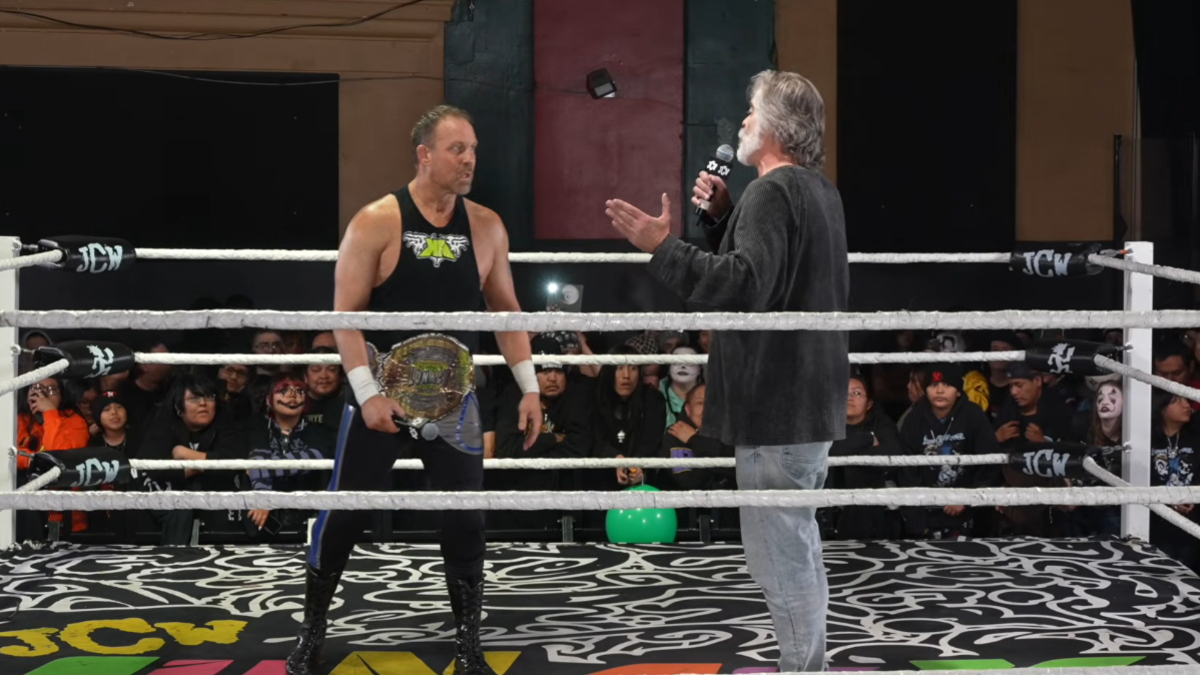
Longevity: Since its 1999 debut, JCW has remained a constant, providing a paycheck and a platform for wrestlers when other territories folded.
The arrival of Vince Russo in JCW marked one of the most surprising returns in modern wrestling history, shifting the promotion from a cult favorite into a headline-grabbing weekly series.
The “Mystery Investor” Arc (Late 2025)
Russo’s involvement didn’t happen overnight; it was teased through a month-long mystery storyline on JCW Lunacy.
The Tease: For weeks, JCW hinted that a wealthy outside investor had purchased a significant stake in the company. In “kayfabe” (storyline), Violent J had supposedly sold part of the promotion to stay afloat but didn’t actually know the identity of the buyer.
The Decoy: For a while, it looked like former WWE/WCW star Big Vito was the man behind the money. He began appearing on the show, arriving in limousines and acting with authority, leading fans to believe he was the new boss.
The Reveal: On Episode 59 (aired in late November 2025), the truth came out. As Big Vito was asserting his power, Vince Russo made his shocking debut, revealing that he was the actual investor and the new “Majority Owner.”
His Role: Investor and Creative Head
Russo didn’t just join as an on-screen character; he took over the reins of the product.
Creative Overhaul: He was quickly named the Head Writer and Creative Head. He immediately implemented his “Crash TV” philosophy, shorter matches, heavy emphasis on backstage vignettes, and “controversial” cliffhangers designed to mirror the Attitude Era style he helped create in the 90s.
The “Vince Russo Era”: Under his leadership, the show saw a documented uptick in viewership. He leaned into his reputation as a “disruptor,” often cutting promos about “putting the attitude back into the industry” and clashing with JCW’s established figures.
Russo’s fingerprints were visible within weeks of his arrival:
Production Quality: The show introduced recaps at the start of episodes, custom YouTube thumbnails, and more polished vignettes (like the “Book Kerry Morton” spots).
High-Stakes Moves: He was instrumental in managing the fallout when Matt Cardona (the JCW Champion at the time) left for the “big leagues,” quickly pivoting the creative direction to crown a new champion in Mr. Anderson.
Conflict with Management: A central storyline emerged involving Russo and Violent J arguing over who truly had the right to book the matches, creating a power struggle that has become the backbone of JCW Lunacy.
Who is Vince Russo, you may ask if you’ve been living under a rock for the last thirty years. Vince Russo is one of the most polarizing figures in wrestling history, but his “Crash TV” philosophy, which prioritizes characters and unpredictable storylines over traditional long-form matches, defined an entire era.
1. The Architect of the Attitude Era
While Vince McMahon had the final say, Russo is widely credited as a lead writer who helped pivot the WWF from the “New Generation” era to the Attitude Era. His focus on edgy, controversial content helped the WWF end WCW’s 83-week ratings winning streak.
2. The “Deadly Games” Tournament (Survivor Series 1998)
Often cited as his creative masterpiece, this one-night tournament featured a complex web of “swerves.” It culminated in The Rock turning heel to become “The Corporate Champion,” perfectly mirroring the Montreal Screwjob from a year prior and cementing The Rock as a top-tier star.
3. Creating “The Rock”
Russo played a pivotal role in transitioning Rocky Maivia, a struggling babyface the fans hated, into the arrogant, third-person-speaking “People’s Champion.” He leaned into the real-life charisma that fans were originally rejecting.
4. Re-imagining Stone Cold Steve Austin
Russo claims to be the voice that encouraged “The Ringmaster” to drop the cold, technical gimmick and embrace the rebellious, anti-authority “Stone Cold” persona that eventually led to the industry-defining feud with Vince McMahon.
5. Giving Everyone a Storyline
Russo’s core philosophy was that every person on the roster, from the main event to the opening match, should have a reason for being on screen. This led to a boom for lower-card acts like Val Venis, The Godfather, and Al Snow, who all became household names during his tenure.
6. The Rise of the New Age Outlaws
Russo was instrumental in pairing the struggling “Rockabilly” Billy Gunn and “The Roadie” Jesse James. Together, they became the New Age Outlaws, one of the most successful and popular tag teams in the history of the business.
7. Pushing Booker T to the Main Event (WCW)
One of Russo’s most praised moves in WCW was recognizing that Booker T was a superstar being held back. Despite the chaotic environment of WCW in 2000, Russo was the one who finally pulled the trigger on making Booker the World Heavyweight Champion.
8. The Three Faces of Foley
Russo helped manage the unique storytelling of Mick Foley, allowing him to play three distinct characters (Cactus Jack, Mankind, and Dude Love) simultaneously. This versatility made Foley an indispensable part of the ratings boom.
9. The Mankind/Rock “This Is Your Life” Segment
Russo was the writer behind the famous 1999 segment that drew an 8.4 Nielsen rating, one of the highest-rated segments in the history of professional wrestling television.
10. The Lance Storm “Team Canada” Run (WCW)
In the final year of WCW, Russo booked Lance Storm to win three different titles (US, Cruiserweight, and Hardcore) and rename them with Canadian themes. It was one of the few consistently entertaining and “logical” storylines during that period of the company.
The question of “where JCW goes from here” is the most exciting it has been in two decades. For years, the promotion was a slumbering giant that only woke up for the Gathering of the Juggalos. But in 2026, the engine is running hot.
1. The “Stranglemania” Renaissance
All roads currently lead to Stranglemania: Viva Las Violence on April 17, 2026, in Las Vegas. This isn’t just another show; it’s part of the massive GCW Collective weekend during WrestleMania 42 week.
The Goal: To prove to the “mainstream” indie world that JCW isn’t just a meme.
The Hook: Expect a massive cross-promotional collision. We’ve already seen Charles Mason (the GCW darling) capture a version of the JCW World Title recently, signaling a “war of the worlds” between JCW’s homegrown monsters and GCW’s elite.
2. The Power Struggle: Russo vs. Violent J
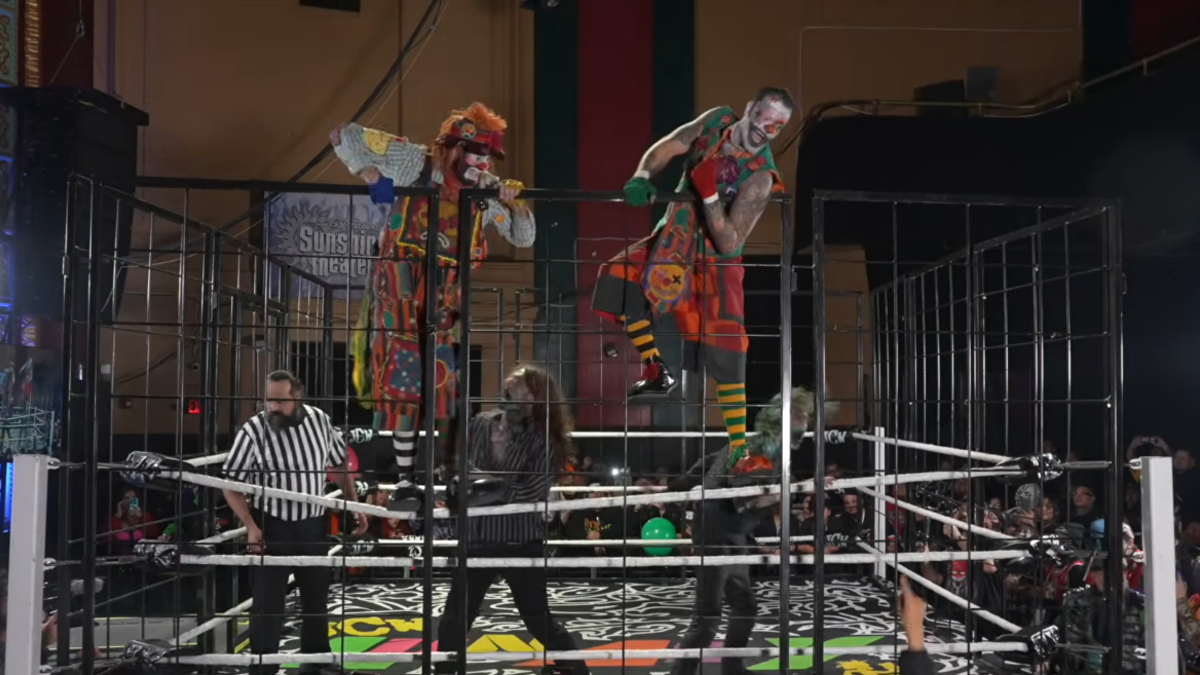
The current “Lunacy” storyline is heading toward a “Loser Leaves Town” or “Winner Takes Control” ultimatum.
Vince Russo is leaning hard into his “chosen one” (Caleb Konley) and his vision of polished, story-heavy TV.
Violent J represents the gritty, “juggalo-style” roots.
The ultimate payoff likely involves a massive multi-man match where the very soul of the company is on the line, likely at Bloodymania 17 this summer.
3. Expansion Beyond the YouTube Bubble
While YouTube is great for accessibility, the “Russo Effect” has already boosted viewership. The next logical step is a move to a dedicated streaming home.
The Rumor: There are whispers of JCW seeking a more permanent “library” home (potentially on a platform like AMC+ following TNA’s recent move, or a deeper partnership with TrillerTV+) to monetize their massive 25-year archive.
4. Transitioning the Guard
JCW is currently doing a brilliant job of using “name” talent to rub off on the new generation.
The Veterans: Mr. Anderson, PCO, and James Storm provide the “prestige.”
The Future: Look for J-Rod, Mosh Pit Mike, and The Brothers of Funstruction to become the faces of the company. If JCW can successfully build stars that other promotions want to steal, they’ve officially won.
JCW has moved from being a “niche hobby” to a legitimate “alternative brand.” As long as they maintain the “Lunacy” vibe, where anything can happen and the fans are part of the show, they are positioned to become the premier “Adults Only” alternative to the corporate gloss of WWE.
Like James’ work? Check out his books here: