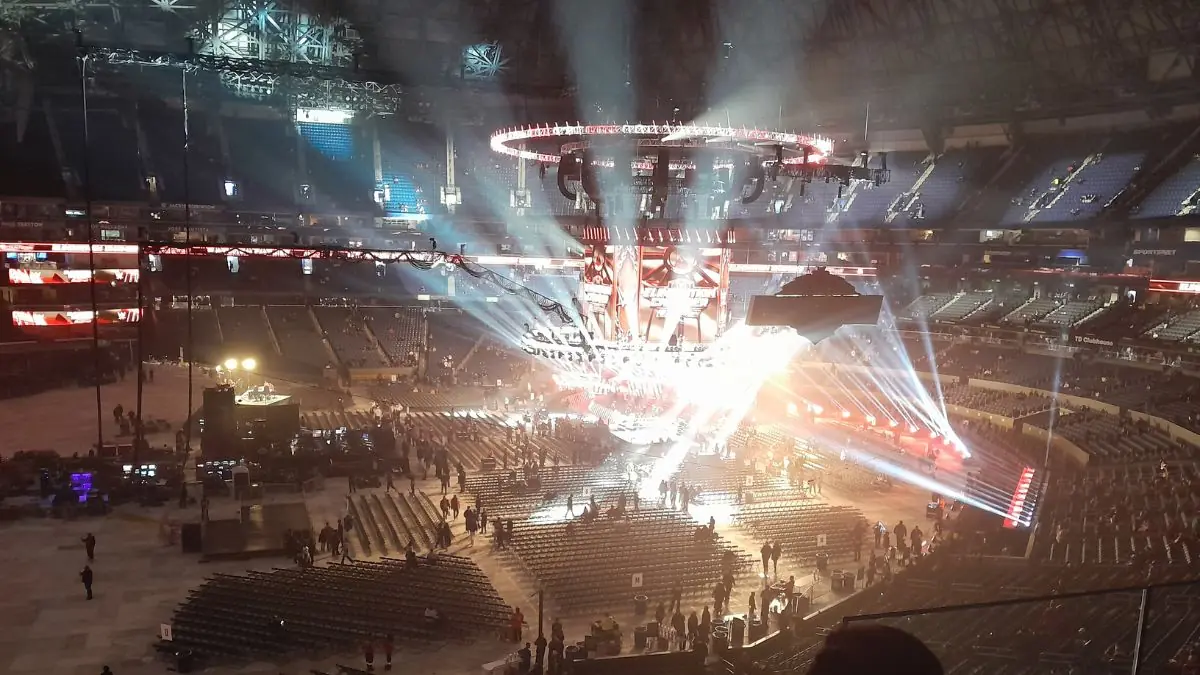
As TNA Wrestling prepares to step onto the AMC stage this Thursday, the moment carries significance far beyond a simple television debut. It represents survival, reinvention, and the enduring influence of a company that, for over two decades, has shaped modern professional wrestling in ways often underappreciated. TNA’s story is not one of dominance, but of resilience, and its lasting effect can be felt across today’s wrestling landscape.
I started really thinking about the era when TNA was seen as an alternative to WWE on weekly American TV (or PPV). While ROH played a vital role in building the foundation of today’s wrestling landscape, we don’t give enough credit to TNA.
Founded in 2002 by Jeff Jarrett at a time when WWE’s monopoly reigned through the wrestling world, Total Nonstop Action Wrestling filled a void. The collapse of WCW and ECW had left fans craving alternatives, and TNA emerged with a willingness to experiment. Its weekly pay-per-view model was risky, but it established TNA as a promotion willing, whether forced or not, to try new structures and styles. That experimental DNA would become a defining trait, for better and worse, throughout its history.

At the core of TNA’s business model to “fill the void” was its emphasis on in-ring athleticism and stylistic diversity. Long before “workrate” became a mainstream buzzword, TNA would showcase its X-Division standouts like AJ Styles, Christopher Daniels, Samoa Joe, and Low Ki. The X-Division was never about weight limits; it was about innovation and making us go “wow”. While many may credit ECW’s in-ring style and workrate with the likes of Jerry Lynn and RVD as a precursor to today’s style, TNA brought high-risk offense, hybrid styles, and fast-paced storytelling to weekly TV, influencing how American audiences perceived wrestling outside of WWE’s traditional mold. Today’s emphasis on work rate and in-ring athletic style traces directly back to this era.
TNA also played a critical role in showcasing international talent. The promotion introduced many fans to wrestlers from Japan, Mexico, and Europe, blending global styles into a distinctly American television product. While some international talent wasn’t presented as a major attraction, this approach helped normalize the idea that top stars didn’t need to come from a single system or background. In an industry now defined by global talent and cross-promotional awareness, TNA was years ahead of its time for North American Wrestling TV.
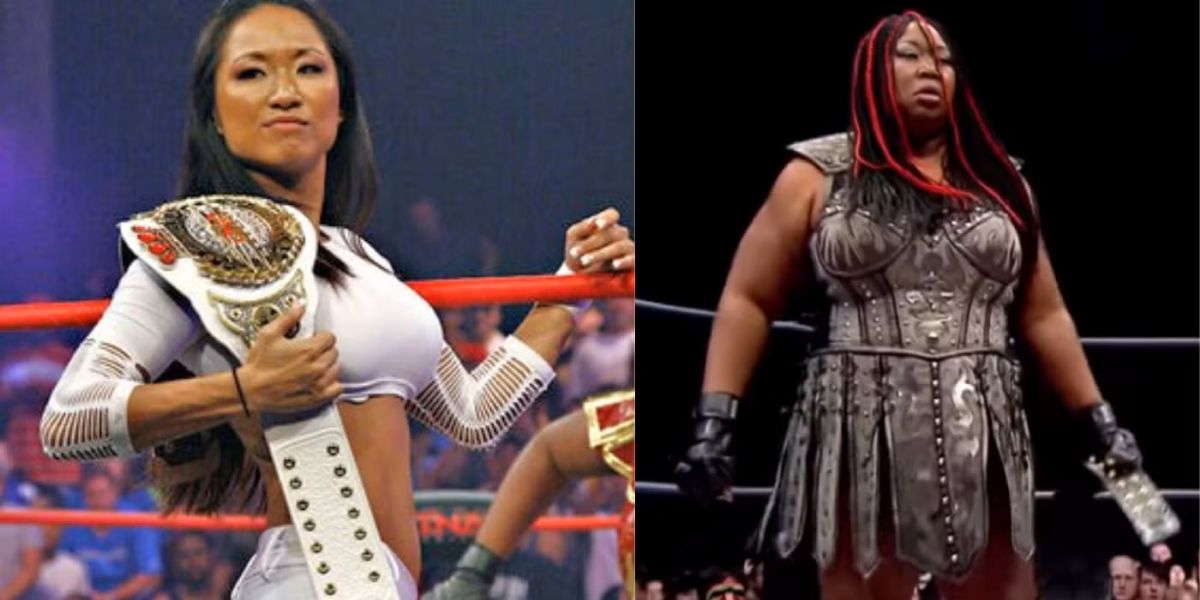
Equally important was TNA’s commitment (sometimes inconsistent, but often groundbreaking) to women’s wrestling. The Knockouts division treated women not as novelty acts but as legitimate stars capable of carrying segments, feuds, and main-event matches. Performers like TNA Hall of Famers Mickie James, Gail Kim, Awesome Kong, and later Taryn Terrell and Rosemary helped redefine expectations for women in North American wrestling. Long before the “Women’s Revolution” and before women’s wrestling received corporate support, TNA showed us that audiences would invest when given serious storytelling and respect.
Of course, TNA’s legacy is not without turbulence and fumbles. We are talking about TNA, afterall. Creative missteps, management instability, and overreliance on short-term fixes often halted its forward momentum. The term “TNA is going to TNA” is something that I have said on many podcasts and radio shows. High-profile signings sometimes overshadowed homegrown stars, and inconsistent storytelling damaged trust with viewers.
That said, the promotion has always survived these missteps and proven to be Hard to Kill (one of their tentpole pay-per-views, which is now very tongue-in-cheek), contributing to TNA’s lasting impact. The company became a case study, both cautionary and instructive, for how wrestling promotions can balance nostalgia, innovation, and sustainability. There are courses on this topic at one of the top business schools in the world (Schulich School of Business at York University, located in Toronto, ON, Canada).

What makes TNA’s current moment compelling is not just its history, but its persistence in and out of the squared circle. In an industry where countless promotions have started, risen, and vanished, TNA endured through rebrands, ownership changes, and shifting media landscapes. That endurance speaks to the strength of its foundation and the loyalty of its fanbase. Wrestling history often remembers winners, but longevity itself is an achievement, especially in a business as volatile as this one.
This brings us to AMC. The AMC debut symbolizes more than expanded reach. It represents legitimacy reclaimed. For longtime fans, it feels like a full-circle moment: a company once dismissed as “the alternative” is now confidently in a strong position within the broader entertainment ecosystem. For newer viewers, it offers a chance to engage with a brand that helped build the modern wrestling environment. Add the WWE partnership, and TNA is in a position of strength and stability.
TNA’s lasting effect is found not in a single era or match, but in its influence on how wrestling looks, sounds, and feels today. It championed athleticism, elevated women, embraced global styles, and proved that there was room for creativity outside the industry’s biggest machine (WWE). As TNA steps onto AMC this Thursday, it does so not as a relic of the past, but as a reminder that its impact isn’t measured solely by dominance; it’s measured by the ideas that endure and make an impact.
In that sense, TNA Wrestling never truly left. It evolved, endured, and now stands ready to remind the world why it mattered then, now, and forever. Let’s hope TNA doesn’t TNA in 2026.
A new era of Total Nonstop Action Wrestling begins THIS THURSDAY as Thursday Night iMPACT! makes its historic debut on AMC, airing LIVE at 9/8c from the Curtis Culwell Center in Dallas, Texas.

Watch TNA WRESTLING EVERY Thursday:
–AMC – USA
-TNA + (sign up here) & AMC + Apps – USA & International (now simulcasting along with AMC for the weekly show every Thursday)
-SportsNet 360 – CANADA
-Claro Sports – Latin America