Back in 2021, my province of Ontario banned the use of non-compete clauses. That meant employers could no longer prevent employees from working for competitors after they had left a company. The Ontario government’s reasoning was that the move would benefit workers and also the province in attracting more business.
In Canada, the laws that apply to businesses regulated by the government and private businesses are very different. So, following in Ontario’s footsteps, the federal government of Canada is now considering doing the same for any federally-regulated business like banks, airlines, etc. This was part of Prime Minister Mark Carney’s first budget, and consultations on the change will begin next year. The federal government has stated their decision “will protect workers’ rights, promote labour mobility, strengthen competition and empower workers to move to a higher-paying job or start their own business.”
The legal precedent in Canada is that judges are more likely to strike down any non-compete clause unless the employee is senior management and therefore has access to sensitive company information.
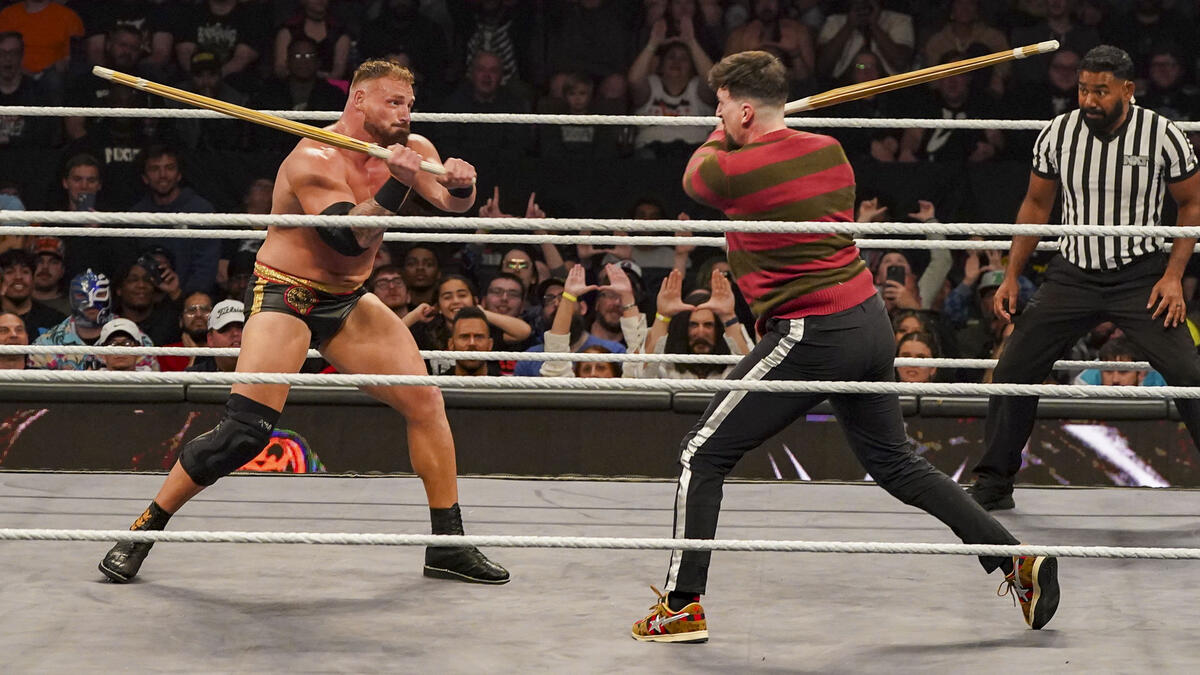
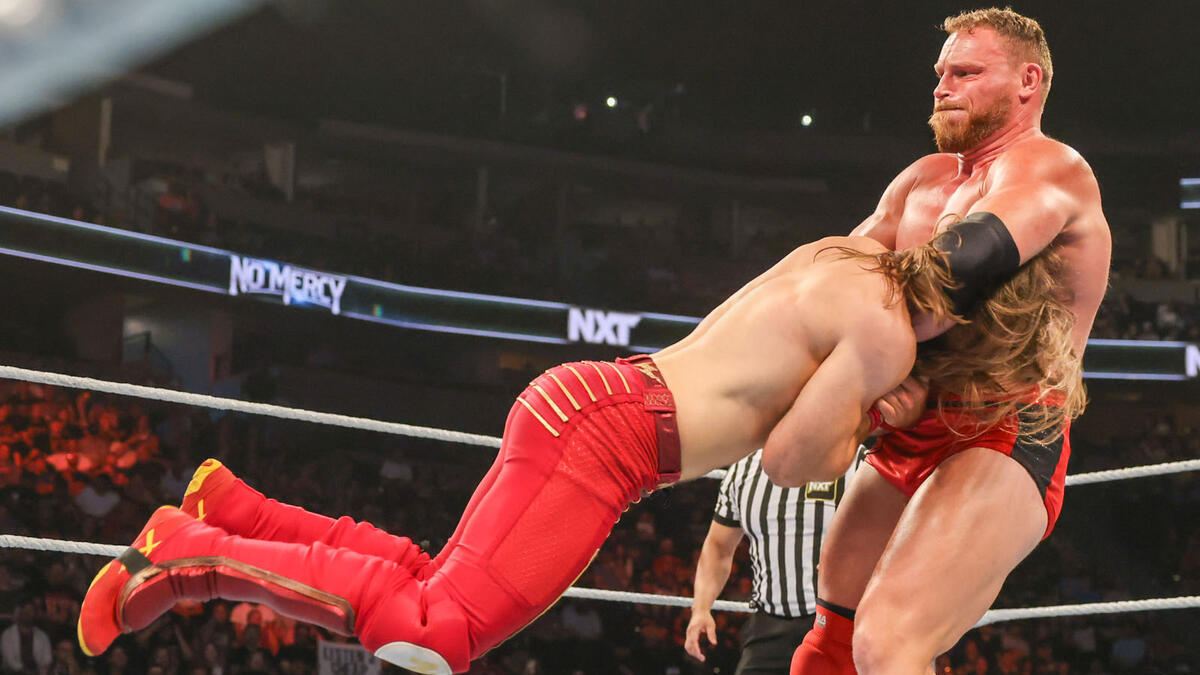
Ridge Holland’s current situation has brought the issue of non-compete clauses back into the public spotlight, amongst other labour issues. In case you have been in the Firefly Fun House over the last month or so, Holland (Luke Menzies) began his WWE career in NXT in 2018 and spent three years there before moving up to the main roster. Holland was introduced as a fan of Sheamus, later joining him as part of the Brawling Brutes faction with Pete Dunne. In 2023, Holland and Dunne went their separate ways after failing to win the Undisputed WWE Tag Team Championship from the Usos at Crown Jewel and losing the WarGames Survivor Series match. Holland returned to NXT, where he eventually joined Chase U. He was responsible for the disbanding of the faction after winning and losing the NXT Tag Team Championship with Andre Chase.
Things went off the rails for Holland when he was moved to the Evolve brand but still competed under the NXT banner. At a TNA Impact taping, where he wrestled Moose, Holland landed awkwardly on his left foot and had to be assisted out of the arena. The injury was to his mid-foot joints. They required surgery and are expected to sideline him for six months or more. While he was recovering from his injury, WWE informed him they would pay for his surgery and rehabilitation, but they would not renew his contract going forward. Ouch!
Holland expressed his frustration on X, writing:
“I never thought I’d not be able to pay my mortgage. I feel like I’ve just been hung out to dry after getting injured working for another company on behalf of WWE. Add to that my contract not being renewed, knowing that I wouldn’t be able to wrestle for seven months. This is brutal. Yes, they are taking care of the surgery and physical therapy, but let’s be honest, that’s the bare minimum after what we sacrifice for the company. Plus the possibility of having to get my neck fused too. Talk about getting totally f—-d.”
That post violated the WWE’s social media policy. The company terminated his contract nine days early for the outburst. Holland admitted the post was a mistake on his part.
“I do want to hold my hands up for is that that last tweet that forced the situation to get worse. That was purely my frustration and I’m mad at myself for doing that because that’s something kind of out of character. For me, I don’t react that way but I think knowing that my career with WWE was coming to an end and I never really got to show my true potential, whether that’s my fault or situational regarding injuries and or things that happened, whatever, I felt kind of a little bit wronged. I don’t know who by despite the whole situation so I hold my hands up and if I had the time again I wouldn’t have posted that, that tweet, but I needed an outlet. I needed to vent,” he said in a video on his YouTube channel.
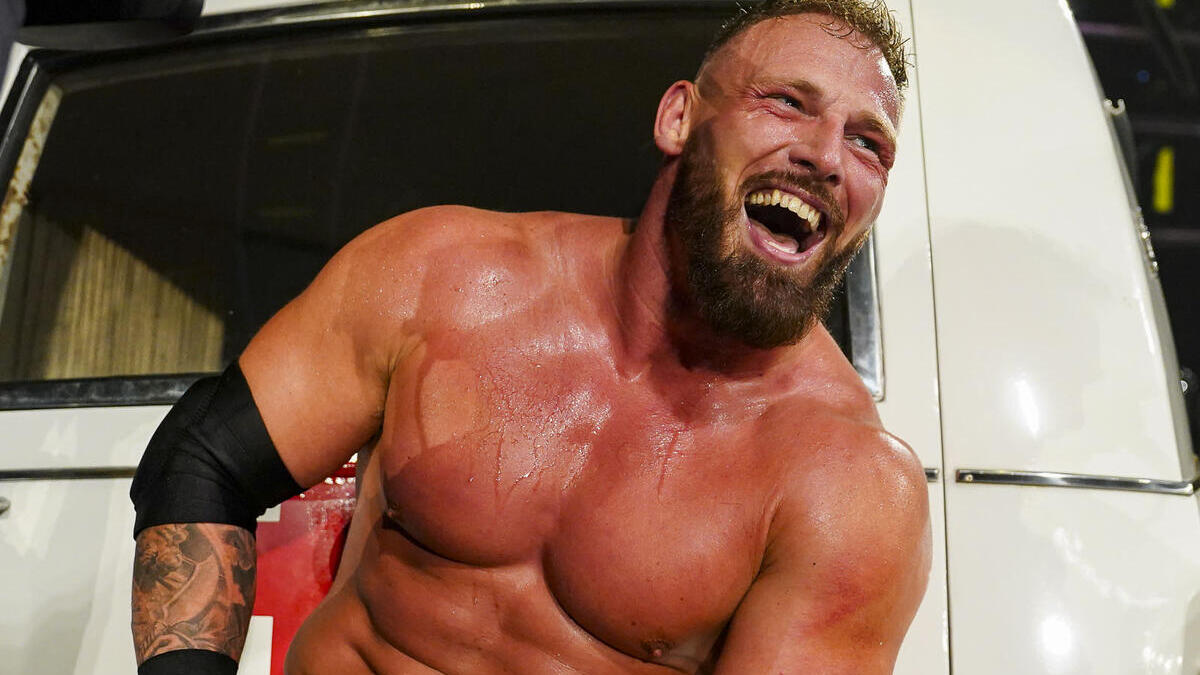
Holland then cancelled a GoFundMe set up by his mother, deciding to give the money to charity. Holland has a wife and three children.
Being a father myself, I sympathize with Holland’s situation. Like anyone, there were times when I was unemployed with bills to pay. Coming from a low-income family, raised by a single mom, I know how hard life can be. I remember having to feed an extension cord into the hallway of our apartment so we could have electricity because we couldn’t afford to pay the bills. I left home at 18 and worked a job to pay my way through college. I know not only what it is like to live in poverty, but also climbing out of it through hard work, only to fear returning there when you lose your job.
I don’t blame Holland for feeling betrayed, feeling like he has been kicked while he is down by a company he devoted seven years of his life to. Yet, the WWE did agree to cover his surgery and his rehabilitation, which can be very costly under America’s health care system, so he wasn’t left completely in the dark. Still, the company is basically printing money these days. They could have held off on cancelling his contract until he was in a better place or reached out to him and agreed to a cushion, some compensation to tide him and his family over. Considering that he was injured basically doing the company a “favour” wrestling a match in TNA, that would have been a decent act of goodwill on their behalf and could have generated a lot of positive press for them.
Holland thoughtlessly made his family’s situation worse, though, with that posting. They have suffered the consequences of his error in judgment. Airing the grievance publicly wasn’t the appropriate course of action and was unprofessional on his part. It might hurt his chances at future employment in that companies don’t really appreciate employees who air their dirty laundry, speak publicly about matters which should be handled privately.
Both parties have made many mistakes, but it isn’t too late to come to an agreement and a conclusion that would at least let them part on better terms, both privately and publicly.
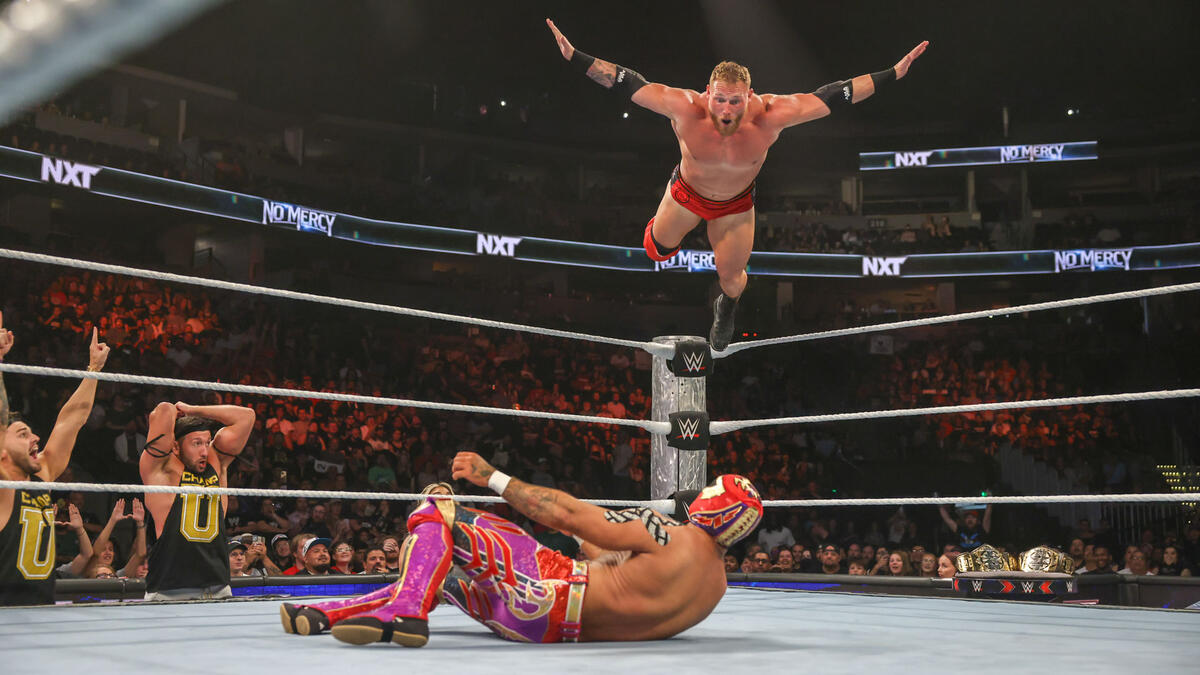
Circling back to non-compete clauses themselves, which can hinder talent like Holland and others who leave one promotion for another, they really do harm the rights of workers. Imagine not being able to provide for yourself, your family because of such a clause, not only for months but perhaps for years? Where is the fairness in that, and that is at the centre of the issue: Unfairness. It tips the scales far too much in favour of employers. Even though they may feel mistreated in various ways, many employees may resist quitting because of such a clause, and employers don’t have much incentive to improve wages or working conditions, knowing this imbalance exists. Those clauses also have the potential to limit someone’s career growth or, on a larger scale, limit the creation of small and new businesses.
The Ridge Holland story has shone a spotlight on how pro wrestling as an industry has a long way to go when it comes to employee rights. Today’s wrestlers are still treated like contract workers when they are anything but. In my opinion, many of today’s unions don’t accurately reflect their true origins or purpose. They have become just as manipulative and unethical in their practices as the employers they stood against way back when. Having said that, there are some industries that would benefit from union representation, as the balance between employee and management is so one-sided even today. Pro wrestling is one of those industries. It is about time wrestlers received the rights, benefits and security afforded to others in the entertainment industry. Until then, Ridge Holland’s story and those of countless others will continue to shed light on a system that is as outdated as “jobber matches” are.